Explore our products

Earrings

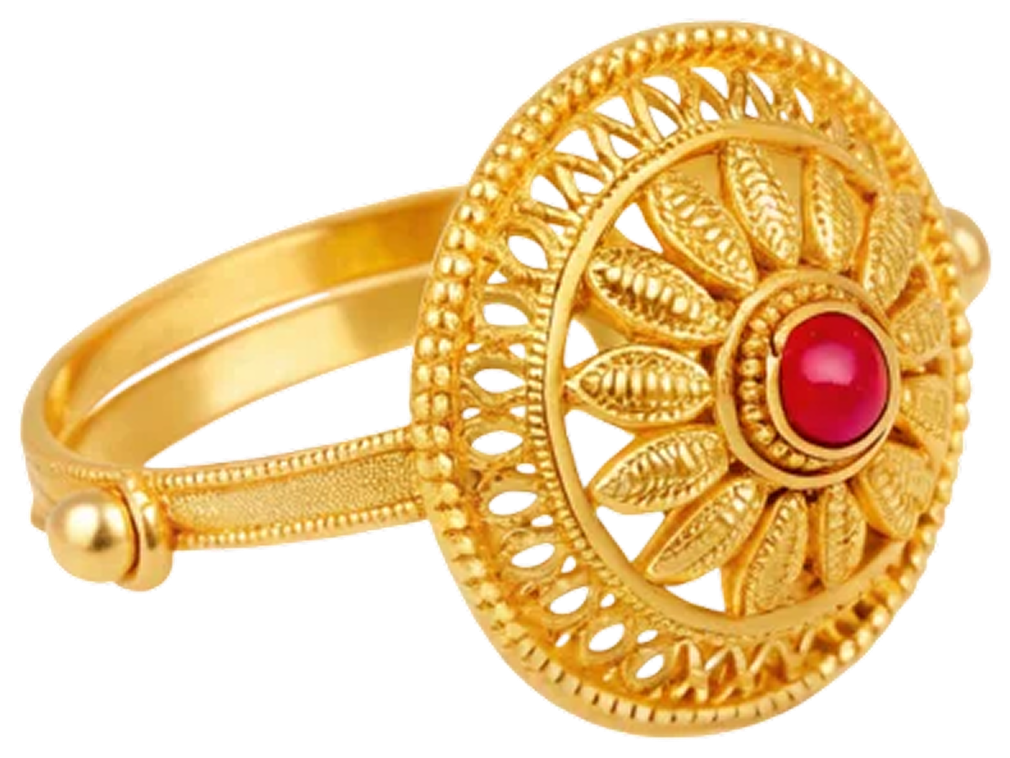
Rings

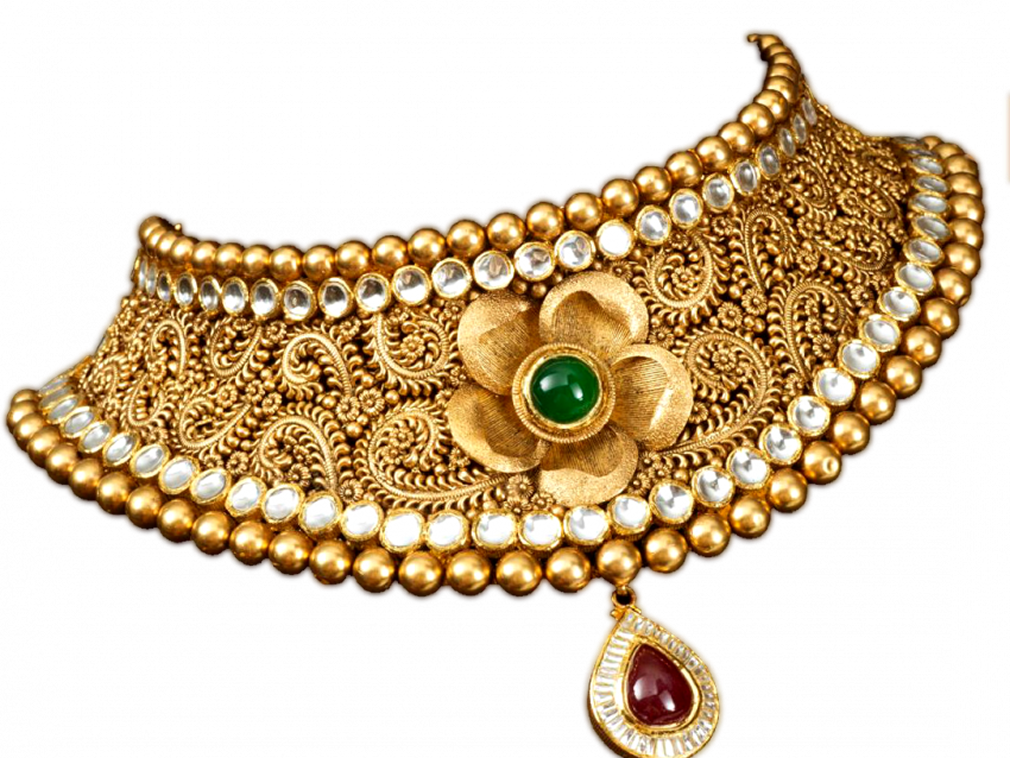
Necklaces

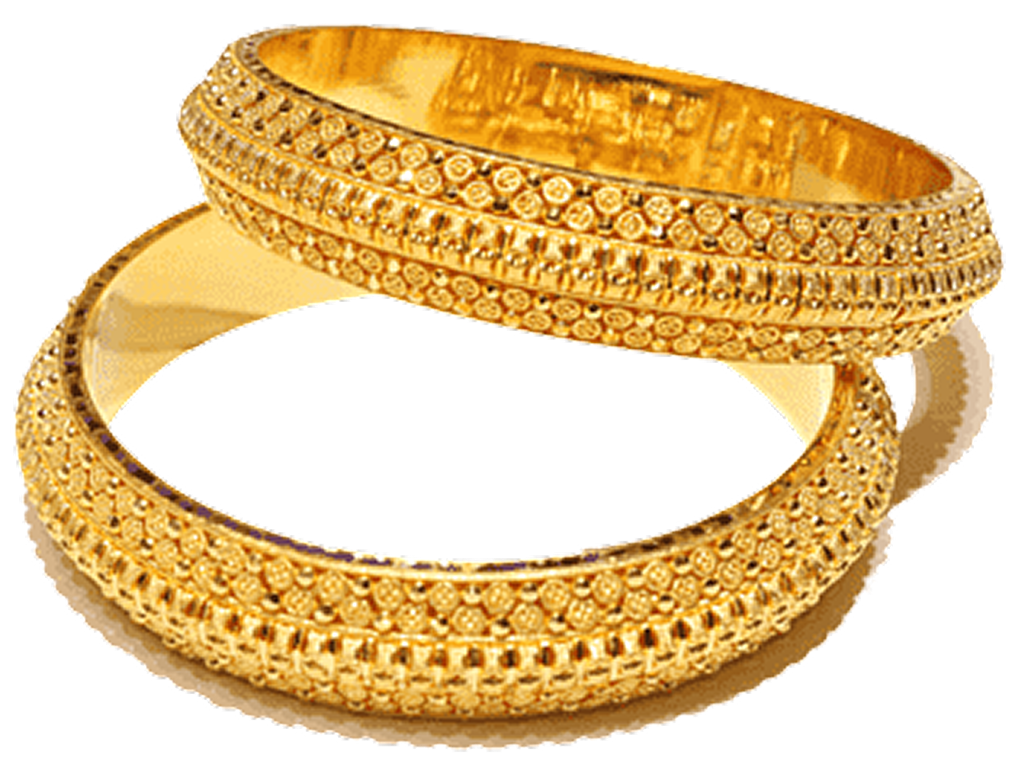
Bracelets

Bracelets
Gold plated bracelet

Necklace
Gold plated bracelet

Earrings
Gold plated bracelet

Bracelets
Gold plated bracelet

Necklace
Gold plated bracelet

Bracelets
Gold plated bracelet

Bracelets
Gold plated bracelet

Bracelets
Gold plated bracelet

Bracelets
Gold plated bracelet

Bracelets
Gold plated bracelet

Bracelets
Gold plated bracelet

Bracelets
Gold plated bracelet

Our Story
Lorem Ipsum is simply dummy text of the printing and typesetting industry. Lorem Ipsum has been the industry's standard dummy text ever since the 1500s, when an unknown printer took a galley of type and scrambled it to make a type specimen book.
Lorem Ipsum is simply dummy text of the printing and typesetting industry. Lorem Ipsum has been the industry's standard dummy text ever since the 1500s, when an unknown printer took a galley of type and scrambled it to make a type specimen book. It has survived not only five centuries, but also the leap into electronic typesetting, remaining essentially unchanged.
Frequently asked questions
What is the purity of gold?
Gold purity refers to how much of a gold item is actually pure gold versus other metals mixed in. It is usually measured in karats (K), where 24K means 100% pure gold. Lower karat values, like 18K or 14K, indicate that gold is alloyed with metals such as copper or silver to increase strength and durability.
For example, 18K gold contains 75% pure gold, while 14K gold has about 58.5% gold. Pure gold (24K) is soft and easily bent, so it is often mixed with other metals for practical use in jewelry and everyday items.
Does gold lose its value over time?
Gold generally does not lose its value over time in the way many other assets do. In fact, it is often seen as a store of value.
Its price can fluctuate in the short term due to factors like inflation, currency strength, interest rates, and global economic conditions. However, over the long term, gold has historically maintained or even increased its purchasing power, which is why investors use it as a hedge against inflation and economic uncertainty.
That said, the market price of gold can go up and down, so its value isn’t fixed—it just tends to remain relatively stable compared to many other commodities or currencies.
Why does gold price change daily?
Gold prices change daily mainly because of supply and demand in global markets—just like stocks or currencies.
Here are the key reasons:
Market demand: When more people want to buy gold (for investment, jewelry, or safety), the price goes up. If demand drops, the price falls.
Economic conditions: During uncertainty (inflation, recession, geopolitical tension), investors move money into gold, pushing prices higher.
Currency value (especially USD): Gold is traded globally in US dollars. If the dollar weakens, gold becomes cheaper for other countries, increasing demand and price.
Interest rates: When interest rates rise, people prefer interest-earning assets, so gold demand may drop (and vice versa).
Central bank activity: Buying or selling gold by governments can influence global prices.
Because these factors are constantly changing every day, gold prices also fluctuate daily.
Is gold a good investment?
Gold is often considered a reliable investment because it tends to hold its value over time, especially during periods of economic uncertainty. Unlike currencies or stocks, gold is a physical asset with intrinsic value, meaning it is not directly affected by inflation, government policies, or market volatility in the same way other investments can be.
However, while gold is stable, it does not generate income like stocks (dividends) or real estate (rent). Its value mainly depends on market demand and global economic conditions. For this reason, gold is best used as a long-term store of value or as part of a diversified investment portfolio, rather than the sole investment option.
Our Socials